
What happens to child arrangements if an ex-partner wants to relocate abroad?
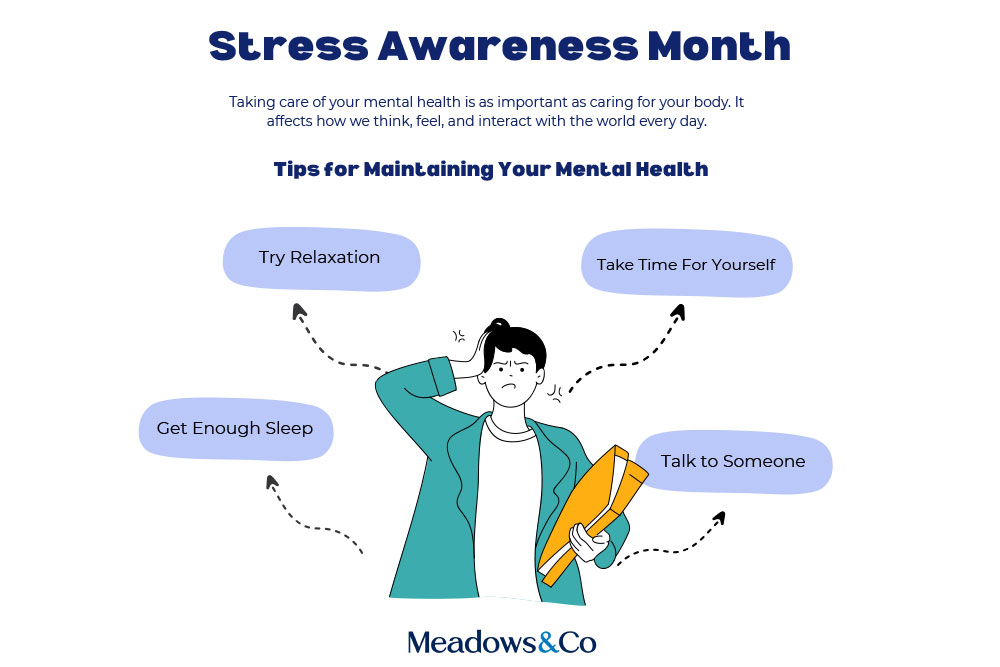
April has seen the world mark Stress Awareness Month – encouraging businesses and individuals to #BeTheChange.
Whether you put much value in awareness days or not, this campaign is a reminder that improving workplace wellbeing rarely requires grand gestures.
More often than not, small, consistent steps, embedded into how a business is run day to day, can make a meaningful difference.
Data from the Health and Safety Executive shows that 964,000 workers in the UK suffered from work-related stress, depression or anxiety in 2024/25, resulting in over 22 million working days lost.
In fact, work-related stress is one of the leading drivers of sickness absence, reduced productivity and staff turnover in the UK, so it isn’t something that should be ignored.
Do employers have a legal obligation to reduce stress?
There is no single piece of legislation labelled a “workplace wellbeing law”, but the legal obligations are real and wide-ranging.
Under the Health and Safety at Work Act 1974, employers are required to protect the health, safety and welfare of their employees. Whilst to many of us that may mean ensuring the workspace is free of physical hazards, the Health and Safety Executive has made it clear that mental health falls squarely within that duty.
Work-related stress must be assessed and managed as a workplace risk, in the same way as any physical risk.
The Management of Health and Safety at Work Regulations 1999 reinforce this by requiring employers to carry out suitable and sufficient risk assessments.
Generic or template documents are unlikely to satisfy that standard where specific stressors, such as heavy workloads, poor management practices or lack of role clarity, have already been identified within a team or organisation.
The common law duty of care adds another dimension, as outlined by the landmark case of Walker v Northumberland County Council [1995].
This case found that employers can be liable for psychiatric injury caused by work-related stress where the risk was foreseeable and the employer failed to act.
The Equality Act 2010 also demands attention, as mental health conditions that have a substantial and long-term adverse effect on a person’s ability to carry out day-to-day activities may amount to a disability under the Act.
Where that threshold is met, employers must make reasonable adjustments and cannot treat an affected employee less favourably because of their condition.
The critical legal risk for employers in many of these examples is failing to recognise when that duty arises.
Changes from April 2026
The new financial year, starting on 6 April 2026, has seen a number of change come into place following the introduction of the Employment Rights Act 2025.
From this date, Statutory Sick Pay (SSP) becomes payable from the first day of sickness absence, removing the previous waiting period of three days. The Lower Earnings Limit is also abolished, significantly widening eligibility.
For employers, this changes the financial and administrative landscape around short-term absences and may, in practice, reduce the pressure on staff to attend work when genuinely unwell.
Taken alongside the existing legal framework, this reform reinforces the direction of travel and employers who have not yet reviewed their approach to stress and mental health should do so now.
What good practice looks like
The HSE’s Management Standards identify six key areas where work-related stress often develops:
- Demands
- Control
- Support
- Relationships
- Role
- Change
Reviewing these areas within your organisation and acting where gaps are identified is both good practice and the benchmark against which legal compliance is likely to be measured.
In practical terms, this means:
- Keeping stress risk assessments current, particularly following changes to staffing levels, workloads or management structures.
- Training managers to recognise early warning signs – increased absence, reduced performance or withdrawal – and to have supportive conversations.
- Ensuring employees know what support is available, including Employee Assistance Programmes or occupational health services, and communicating this regularly.
- Encouraging open dialogue around pressure and wellbeing, so that problems can be identified before they escalate.
The consequences of failing to act are not only financial. Tribunal claims, regulatory enforcement and reputational damage are all live risks for businesses that treat this area as an afterthought.
If you would like help reviewing your stress risk assessments, updating your policies or advising on specific employee situations, we are here to assist.
Related posts


